
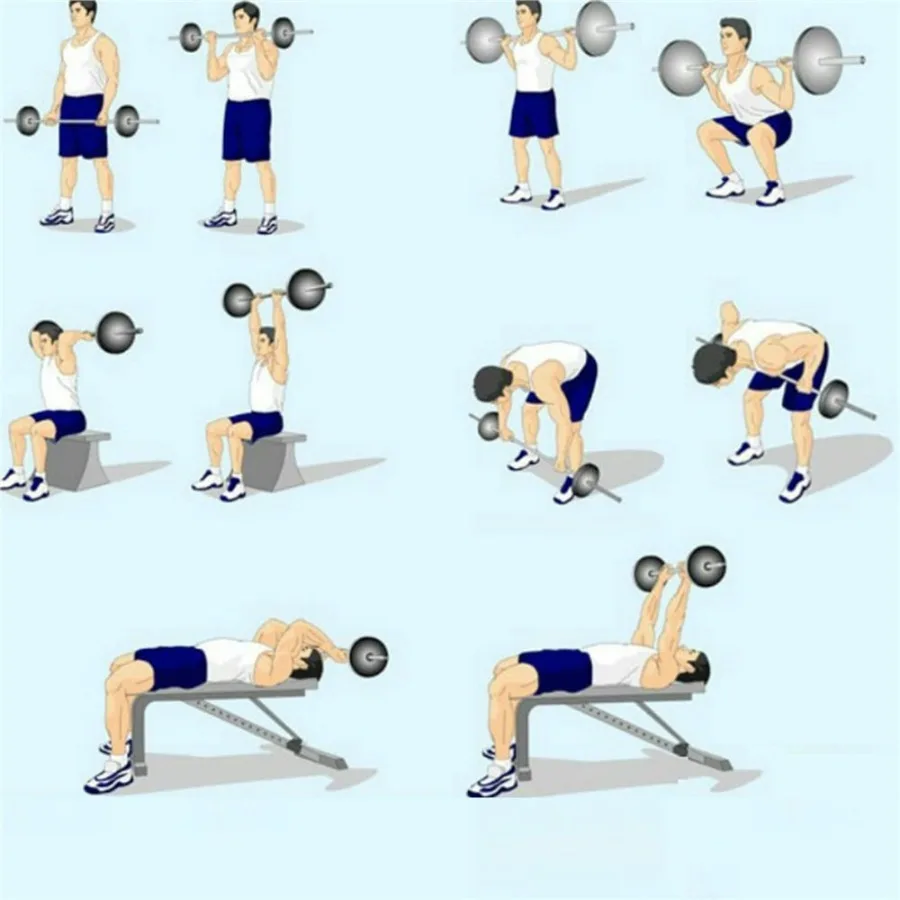
Embarking on a fitness journey can feel overwhelming, especially if you’ve never worked out before. The gym might seem like a foreign world, or perhaps you’ve been intimidated by the idea of starting a workout routine from scratch. However, the truth is, building a fitness routine doesn’t need to be complicated or intimidating. Everyone starts somewhere, and with a little guidance and commitment, you can create a fitness routine that fits your lifestyle, helps you reach your goals, and, most importantly, becomes something you enjoy.
This blog will take you through the steps to build a solid fitness routine, starting from the very beginning, even if you have no prior experience. Whether your goal is weight loss, building strength, improving mental health, or simply feeling better in your body, this guide will help you get started in a way that’s both sustainable and effective.
Step 1: Understand Your Why
Before jumping into your fitness routine, take a moment to reflect on why you want to get fit. What motivates you? Understanding your personal “why” will help you stay committed to your fitness journey. Whether you’re motivated by wanting to improve your energy levels, enhance your mental health, fit into your favorite clothes, or simply feel better about yourself, identifying your reasons for working out is crucial to staying motivated long-term.
Write down your reasons for wanting to start a fitness routine and refer back to them when you feel unmotivated. This will remind you of the bigger picture and keep you on track as you work toward your goals.
Step 2: Set Realistic, Achievable Goals
Setting clear, measurable, and achievable goals is an essential part of building your fitness routine. However, as a beginner, it’s important to set goals that are both realistic and motivating. Avoid setting goals that are too grandiose, as this can lead to disappointment and burnout early on.
Start with small, specific goals like:
As you progress, you can gradually increase the difficulty of your goals, but it’s important to start with achievable milestones. Remember, fitness is a journey, and progress is built step by step.
Step 3: Choose the Right Types of Exercise
When you’re new to fitness, it’s easy to get overwhelmed by the endless types of exercise options available. From strength training to yoga, HIIT to running, it can be hard to know where to start. However, the key is to choose exercises that you enjoy and feel comfortable with while gradually increasing intensity as you get stronger and more confident.
Here are some beginner-friendly exercise types to consider:
Step 4: Start Slow and Gradually Build Up
As a beginner, one of the most important things to remember is to start slow and allow your body to adapt to the new routine. You don’t need to push yourself too hard in the beginning, as overexertion can lead to injury or burnout.
Start with shorter workouts (15-30 minutes) and gradually increase the duration and intensity as you feel more comfortable. For example, begin with 2-3 days of light exercise per week and gradually increase the frequency as your body adapts. As you build strength and endurance, you can start adding more challenging exercises to your routine.
Step 5: Mix Up Your Routine for Balance
One of the most common mistakes beginners make is doing the same workout every day. While consistency is important, it’s also essential to incorporate variety into your fitness routine. Mixing up your workouts will prevent boredom, reduce the risk of injury, and help you work all the different muscles in your body.
Here’s how you can vary your workout routine:
Step 6: Track Your Progress
Tracking your progress is key to staying motivated and seeing improvements over time. Keep a fitness journal or use a fitness app to log your workouts. Record details such as the exercises you did, how long you worked out, how you felt during the workout, and any improvements you’ve noticed.
Tracking your progress allows you to celebrate small victories and helps you adjust your routine as needed. For example, if you’re getting stronger and can complete more reps or hold a plank longer, you’ll see how far you’ve come, which will keep you motivated to continue.
Step 7: Make Recovery a Priority
While it’s important to focus on your workouts, it’s equally important to give your body time to recover. As a beginner, your muscles will need time to repair and grow stronger after each workout. Without proper recovery, you could experience burnout or injury.
Here are some recovery tips to incorporate into your routine:
Step 8: Stay Consistent and Be Patient
Building a fitness routine takes time, especially if you’re starting from scratch. It’s normal to experience challenges along the way, but the most important thing is to stay consistent. Fitness is a journey, not a destination, and results will come with time and effort.
Stay patient with yourself, and don’t be discouraged if you don’t see immediate changes. Keep focusing on building good habits and enjoy the process. Whether your goal is to build strength, improve your health, or simply feel better, know that every step you take brings you closer to your fitness goals.
Conclusion
Starting a fitness routine from scratch can feel intimidating, but it’s also one of the most rewarding things you can do for your body and mind. By setting clear goals, starting slow, and staying consistent, you can build a fitness routine that works for you. Remember to keep it simple, mix things up, track your progress, and make recovery a priority. With time and dedication, you’ll develop a routine that feels natural and fulfilling, setting you up for a lifetime of health and fitness.
